 Image 1 of 1
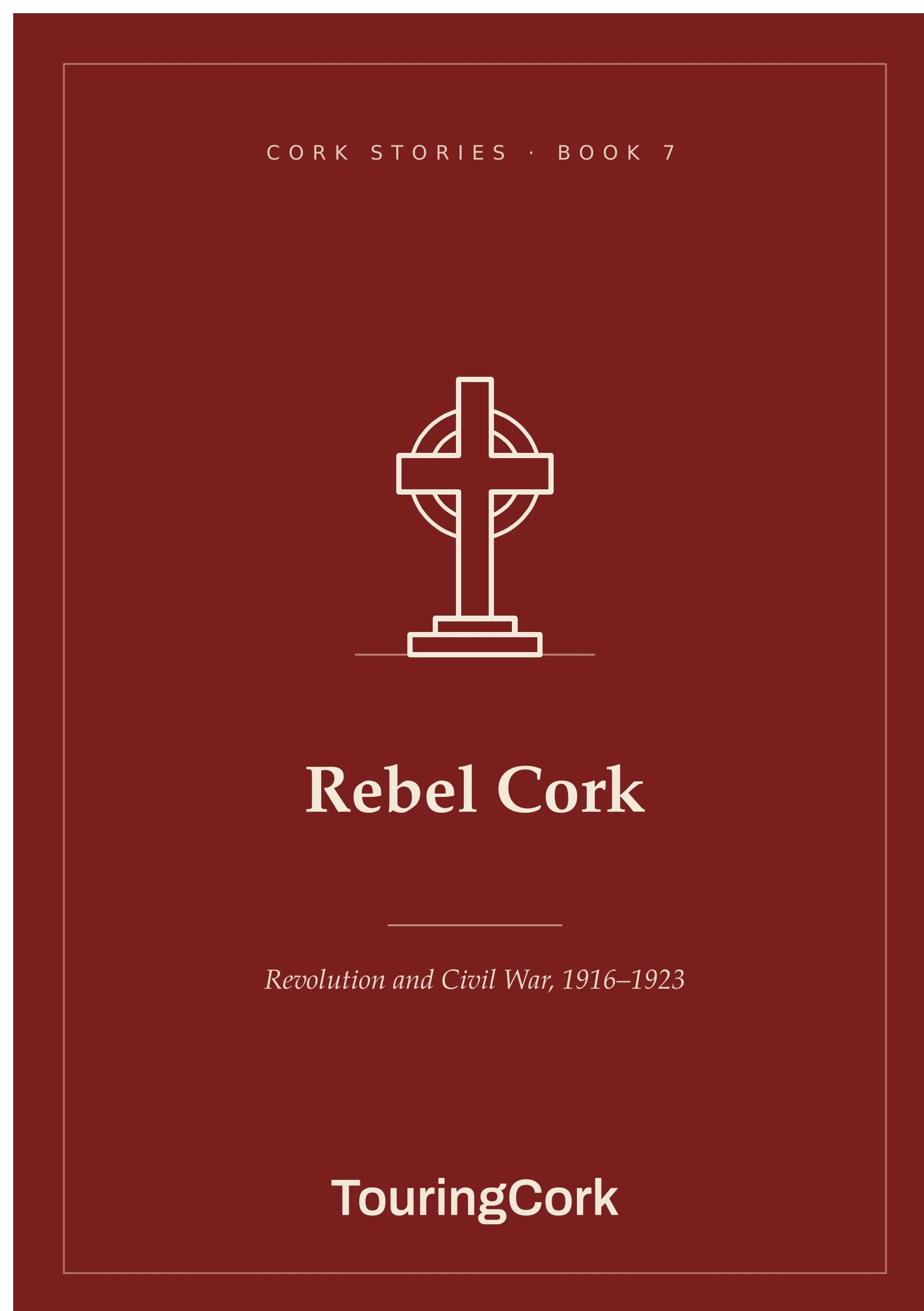
Cork earned the name Rebel County in these years. This book runs from Easter 1916 to the end of the Civil War, told through the people who lived it. You will meet Tomas Mac Curtain, shot in his own home, and Terence MacSwiney, who died on hunger strike in Brixton. You will follow Tom Barry's flying column to Kilmichael, watch the city burn in December 1920, and stand at Beal na Blath where Michael Collins fell. Thirteen chapters that stay fair to every side of a divided memory. Illustrated. Digital download (PDF).
All ten books, including this one, come together in The Cork Stories Collection for €24.99, a saving of almost €35 on buying them one at a time.
What’s inside:
Prologue: The Night of the Burning
1. The Second City
2. The Lord Mayor in the Hallway
3. MacSwiney’s Hunger Strike
4. Tom Barry and the Flying Column
5. Kilmichael
6. The Burning of Cork
7. Crossbarry
8. The Man from Sam’s Cross
9. The Intelligence War
10. The Treaty
11. The Civil War in Cork
12. Béal na Bláth
13. What the War Made
Epilogue: The Roads of the War
45 pages, illustrated.
From the opening pages:
At about nine o’clock on the evening of Saturday 11 December 1920, men of the Black and Tans and the Auxiliaries moved into the centre of Cork carrying petrol and incendiary material. They had come from Victoria Barracks on the northside, and from the Victoria Hotel where K Company of the Auxiliaries was billeted. They were armed, and witnesses who saw them in the streets before the fires started reported that some of them were drunk.
By midnight Patrick Street was burning. The fire brigade reached the scene to find armed men cutting their hoses and turning the firemen back from the side streets. By the early hours the fires had reached the City Hall on the Albert Quay side of the river, and around four in the morning a large explosion tore through the building. The hall had been Cork’s civic seat since the middle of the nineteenth century. By dawn its roof had fallen in and its records were gone. The Auxiliaries went back to their barracks before first light, and contemporary accounts describe some of them wearing women’s fur coats looted from the burning shops.
Cork earned the name Rebel County in these years. This book runs from Easter 1916 to the end of the Civil War, told through the people who lived it. You will meet Tomas Mac Curtain, shot in his own home, and Terence MacSwiney, who died on hunger strike in Brixton. You will follow Tom Barry's flying column to Kilmichael, watch the city burn in December 1920, and stand at Beal na Blath where Michael Collins fell. Thirteen chapters that stay fair to every side of a divided memory. Illustrated. Digital download (PDF).
All ten books, including this one, come together in The Cork Stories Collection for €24.99, a saving of almost €35 on buying them one at a time.
What’s inside:
Prologue: The Night of the Burning
1. The Second City
2. The Lord Mayor in the Hallway
3. MacSwiney’s Hunger Strike
4. Tom Barry and the Flying Column
5. Kilmichael
6. The Burning of Cork
7. Crossbarry
8. The Man from Sam’s Cross
9. The Intelligence War
10. The Treaty
11. The Civil War in Cork
12. Béal na Bláth
13. What the War Made
Epilogue: The Roads of the War
45 pages, illustrated.
From the opening pages:
At about nine o’clock on the evening of Saturday 11 December 1920, men of the Black and Tans and the Auxiliaries moved into the centre of Cork carrying petrol and incendiary material. They had come from Victoria Barracks on the northside, and from the Victoria Hotel where K Company of the Auxiliaries was billeted. They were armed, and witnesses who saw them in the streets before the fires started reported that some of them were drunk.
By midnight Patrick Street was burning. The fire brigade reached the scene to find armed men cutting their hoses and turning the firemen back from the side streets. By the early hours the fires had reached the City Hall on the Albert Quay side of the river, and around four in the morning a large explosion tore through the building. The hall had been Cork’s civic seat since the middle of the nineteenth century. By dawn its roof had fallen in and its records were gone. The Auxiliaries went back to their barracks before first light, and contemporary accounts describe some of them wearing women’s fur coats looted from the burning shops.